
Restoration
After failure of Lunar Journey, I stopped any attempts to join space industry for a few years. But because of number of reasons, at 2015 I decided to try again.
Goal was the same – to build our own full-cycle space agency, providing launch-, satellite manufacturing- and space operation services.
Using contacts I’ve got during our work on Lunar Journey project, I found people who was interested in astronautics and rocket engineering. We named our initiative Ultradyne Systems. And we engaged to work – illegally, in deep secret.

Why So Illegal?
It was number of reasons to act in secret.
On the start, I re-assessed my previous experience. During Lunar Journey we faced number of troubles, linked with:
- HR & PR questions
- Rules of interaction with Roscosmos and Russian universities
- Law and licensing questions
This all was a heavy drag for the project.
Same time, from previous experience I made number of conclusions, especially:
- Results are more important than wishes.
- Bad liftoff are more valuable than good business plan.
- Investors need product, not promises.
An additional factor was that our vehicle was propelled by solid-state rocket engine – and serious SRM fuel requires for its production very special components, which can be precursors of heavy drugs or components of explosives.
So, on the first step (on production of the first test vehicle) we decided to act without official registration of the company.
Also, it was more cool!
Welcome to Space Engineering, Rockie!
So we started…
Most of us was IT specialists. We were very proud on self, counting self smart swift-learners able to solve anything fast and effective…
And from the very beginning we smashed into a rough wall of very grim and unwelcoming engineering problems.
Just briefly:
- Fuel chemistry
- Engine loading technology
- Ignition
- Armoring
- Nozzles (they burned like matches!)
- Structural elements
- Aerodynamics
- Avionics
- Communication systems
- Recovery systems
- Launch systems
And so on, you name it.
Solving this problems appeared to be extremely hard – much harder than we can imagine. We faced lack of knowledge in math, in technical disciplines (especially in organic chemistry and fluid dynamics) and in methods (especially of organization of development and testing).
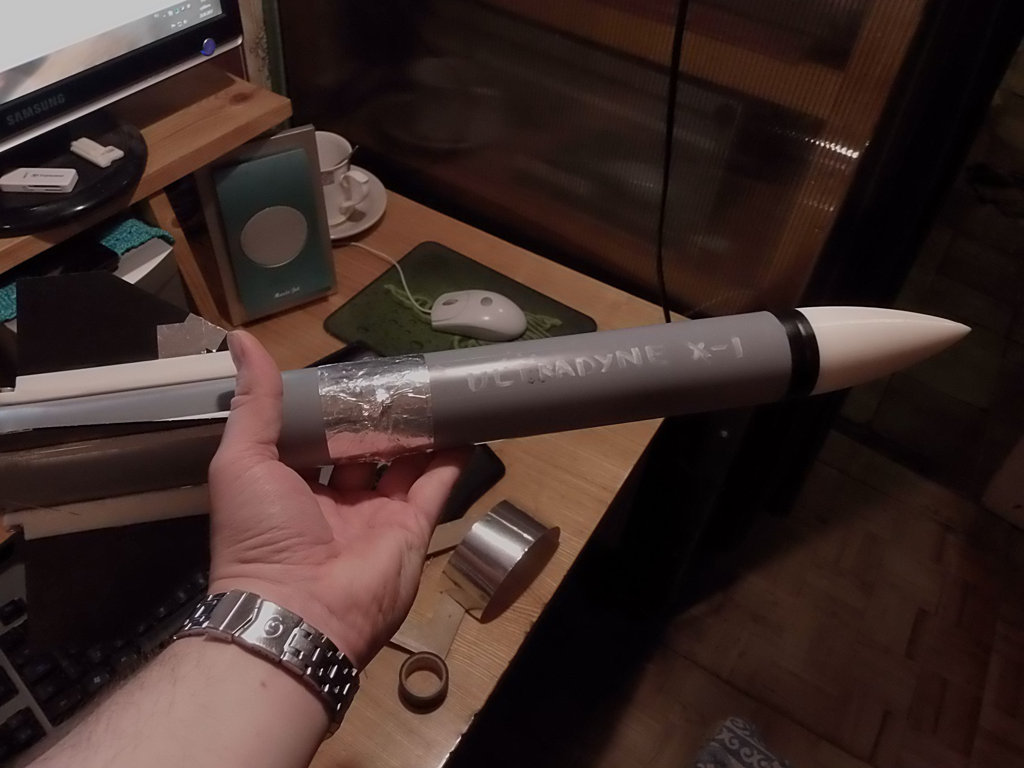
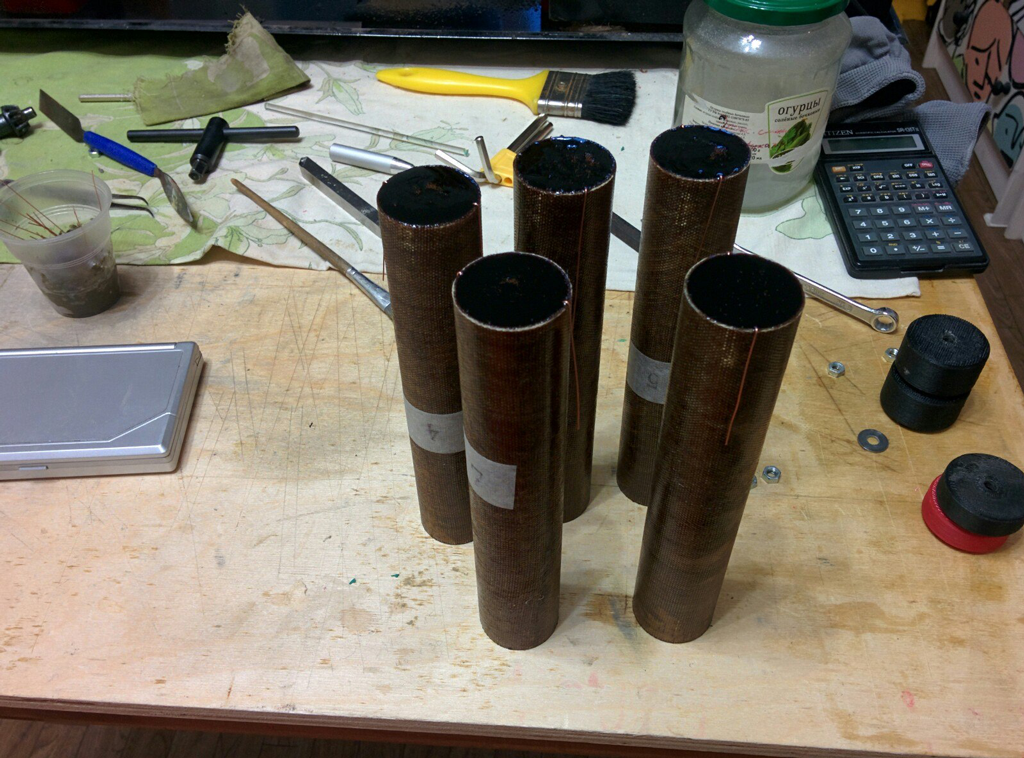
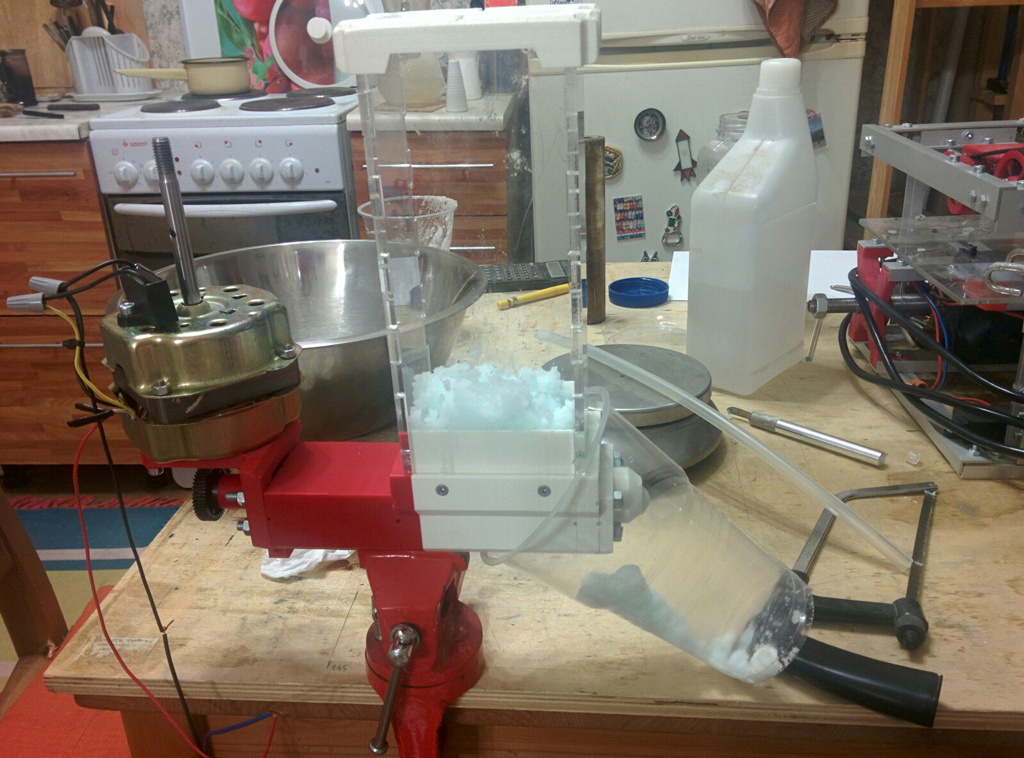
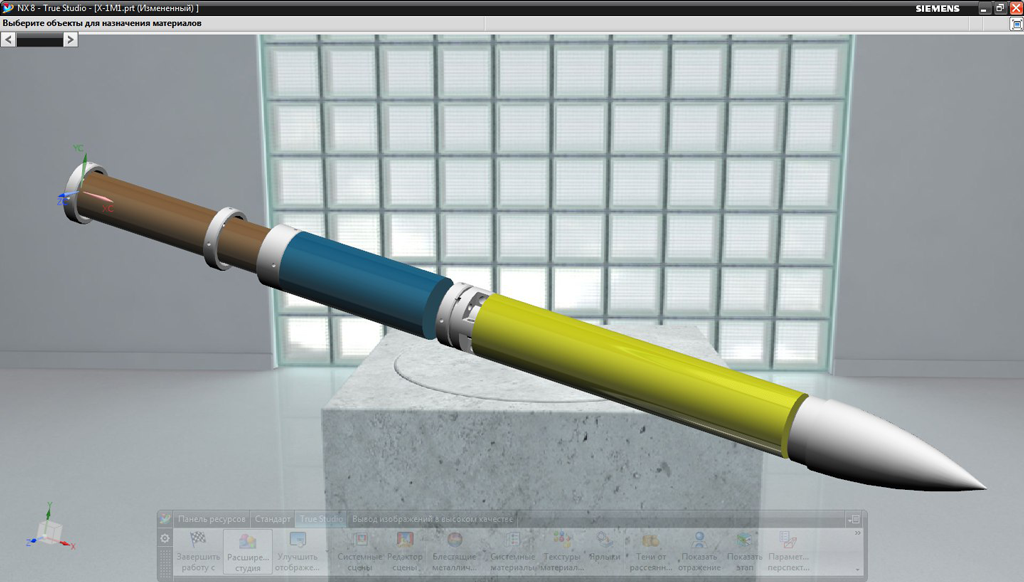
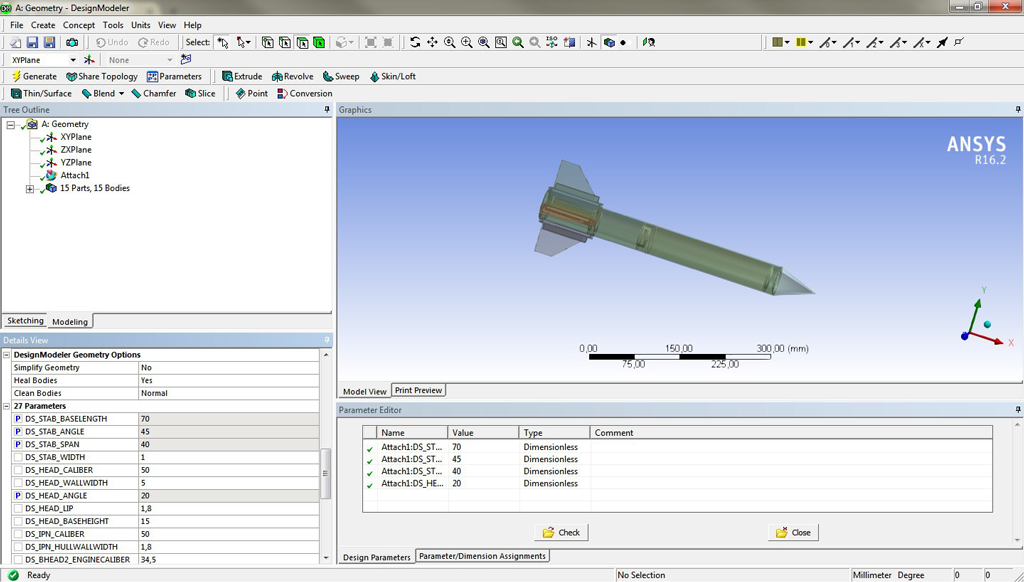
Additional troubles was caused by “soviet inheritance”. Because of total secrecy around space engineering during soviet time, there were no knowledge and there were no textbooks to help us. We were not able to find any valuable information, so sometimes simple task required weeks of preparations and experiments.
From this work I got five extremely important insights:
- “IT approach” is unacceptable in space engineering.
- All your agile methods, soft skills and other soy shit will not help you to model a process of burning of hyper-carbon nozzle in abrasive supersonic stream of poisonous fire with temperature of boiling steel.
- You need deep (scientific!) understanding of properties of matter and ability to build math models of its behavior.
- Usage even a proper CAD / CAE software will not help you without level of understanding mentioned above.
- Total secrecy, lack of textbooks and loss of scientific and engineering “school” expectedly brought the space industry of Soviet Union to fall (and will inevitably do same with space industry of any country which allows same organizational mistakes).
Boring Common Problems
I’m not even talking about them. But they existed.
We had difficulties with logistics, lack of time, lack of money, lack of equipment, lack of interest from investors and again difficulties with licensing.
But Despite This…
In 3 years of hard work we:
- Made a reverse engineering of Space Shuttle SRB fuel
- Developed advanced fuel compound, providing specific impulse of 271 s
- Developed effective and thermal-steady nozzle
- Developed reliable test SRM with thrust up to 2.5 kg.
- Developed loading equipment for test SRM
- Made more than 20 static burn tests
Basing on this test engine, we developed test vehicle Ultradyne X-1.
It was a small rocket, equipped with SRM, basic guidance avionics and recovery system.
Key vehicle characteristics in the table below:
| Mass: | 1.0 kg |
| Thrust-weight ratio: | 2.5 |
| Max flight altitude: | ~7500 m. |
| Max speed: | ~M=1.37 |
| Avionics: | Original, STM32-based – keeps vertical direction, records speed & altitude, activates recovery system |
| Recovery system: | Parachute, avionics controlled |
With this vehicle we made number of successful test flights.
Final
In year 2018 we tried to find investment to turn our project into official company.
But.
At 2018 foreign investments were not available in Russia anymore. Russian investors didn’t show any interest to this same as to Lunar Journey 4 years earlier.
Russian military showed interest to our results, but they required from us to transfer to them all intellectual property rights. In exchange they offered to us jobs in development department of one of Russian defense tech corporations, with salary 1.5 times lower than we had while be a programmers.
After that, my colleagues wished to stop the project. In May 2018 Ultradyne Systems decayed.
Conclusions
In this project I combined roles of CEO, system engineer and aerodynamics- and ballistics specialist. Additionally I worked on mechanics of recovery system.
As CEO, I lead the development team of 5 and provided to them coordination, allowed us to earn results mentioned above. But in the end I failed, not being able to solve business problems.
As system engineer, I lead and finalized development and system engineering process of test vehicle X-1, built extremely cheap (total price of unit less than 200$), reliable and steady small sounding rocket.
As aerodynamics and ballistic specialist I developed aerodynamics shape for small sounding rocket made with “community store available” materials, achieved Cd 0.1 and stability margin 7%. The rocket with launch mass 1.0 kg reached altitude more than 7 kilometers and speed M=1.37.
This is an absolute record for all amateur built rockets in post-soviet countries ever.
But why this project was not successful? After long thinking I may name 4 main reasons of failure:
- Wrong organizational and investment decisions
- reliance on our own resources
- “Juche ideology” – i.e., extremely independent, closed and hidden nature of the project
- Wrong marketing decisions
- wrong space market assess
- secrecy of the project
- Wrong methods
- IT approach (in the beginning)
- Underestimating real scale of problems
- Lack of knowledge (including inferior usage of “expert” systems – i.e., CAD / CAE etc.)
- Lack of available information
- Wrong choice of technologies
On later stages of a project to this factors were added growing global disagreements in the team and loss of motivation. In the end, rising struggles in Russian economy ruined everything.
Gratitude
In the end of this article – last but definitely not least! – I want to thank my colleagues followed my idea and shared with me all our struggles and victories during this project.
We were not able to finish this successfully and in a big fraction this was my fault.
Despite this, I need to thank you. I can not name here your names (you did not gave me explicit allowance to do this). But you should know – despite all our frictions, I am deeply grateful to you, because you taught me many important things.