Preface
While preparing for Operation “Silent Giant” we set out to create a reliable, low-cost tool for disposing of massive non-cooperative satellites.
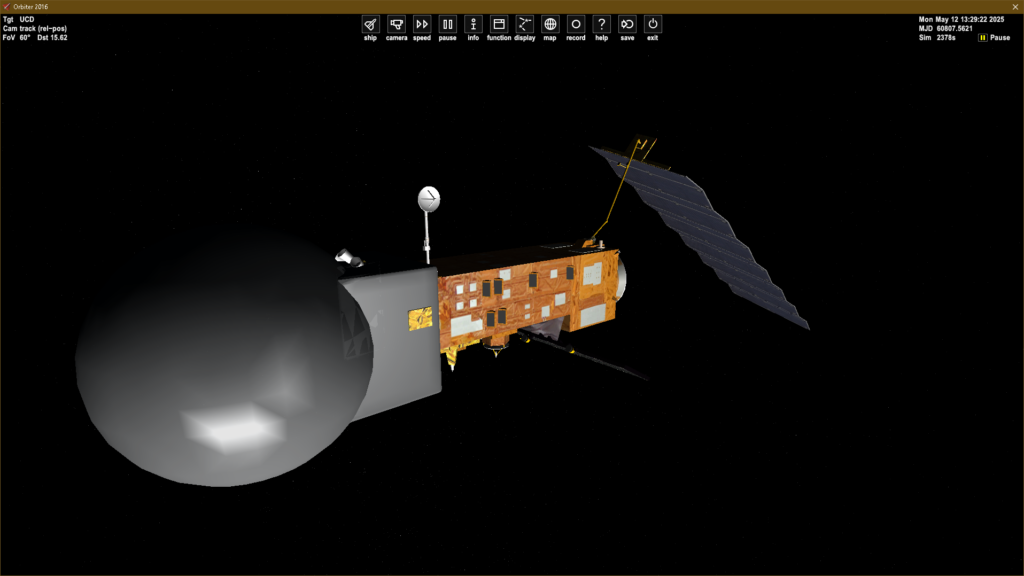
With limited public guidance, we designed the Drag Augmentation Device (DAD): an inflatable 5.2 m Mylar balloon with a flexible plastic sleeve to grip Envisat’s body and increase drag, gradually lowering its orbit.
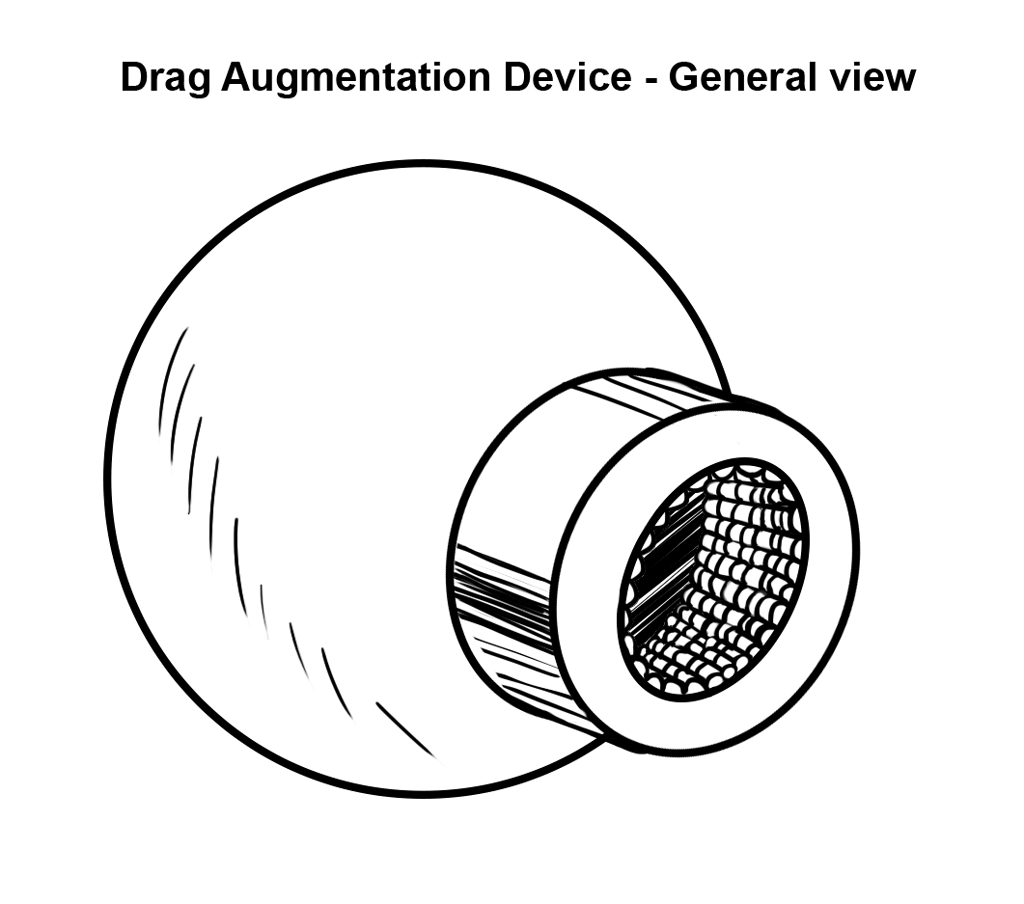
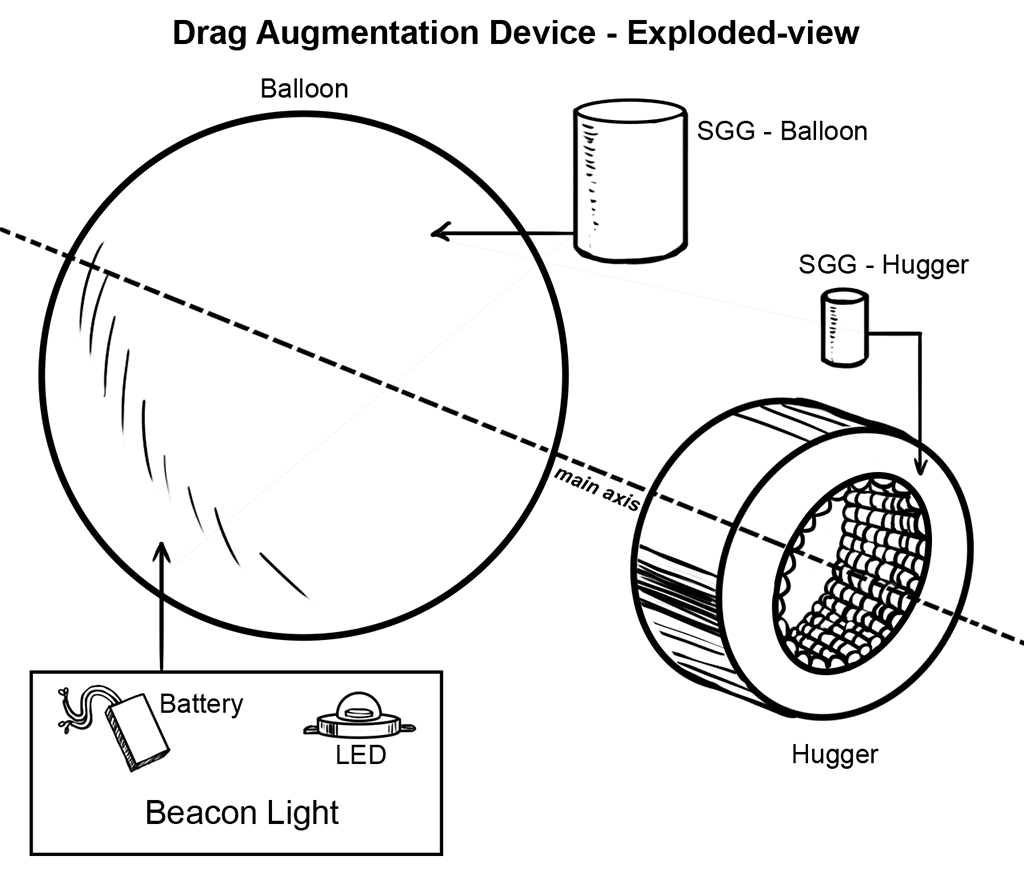
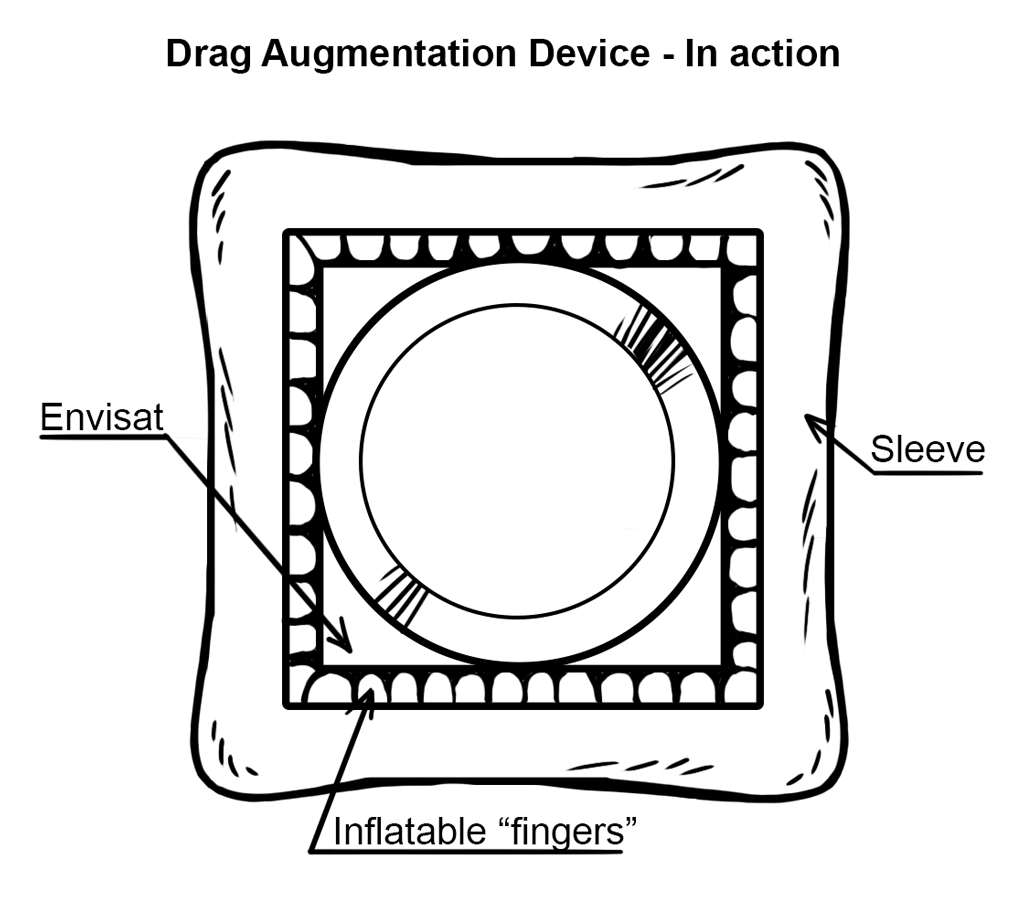
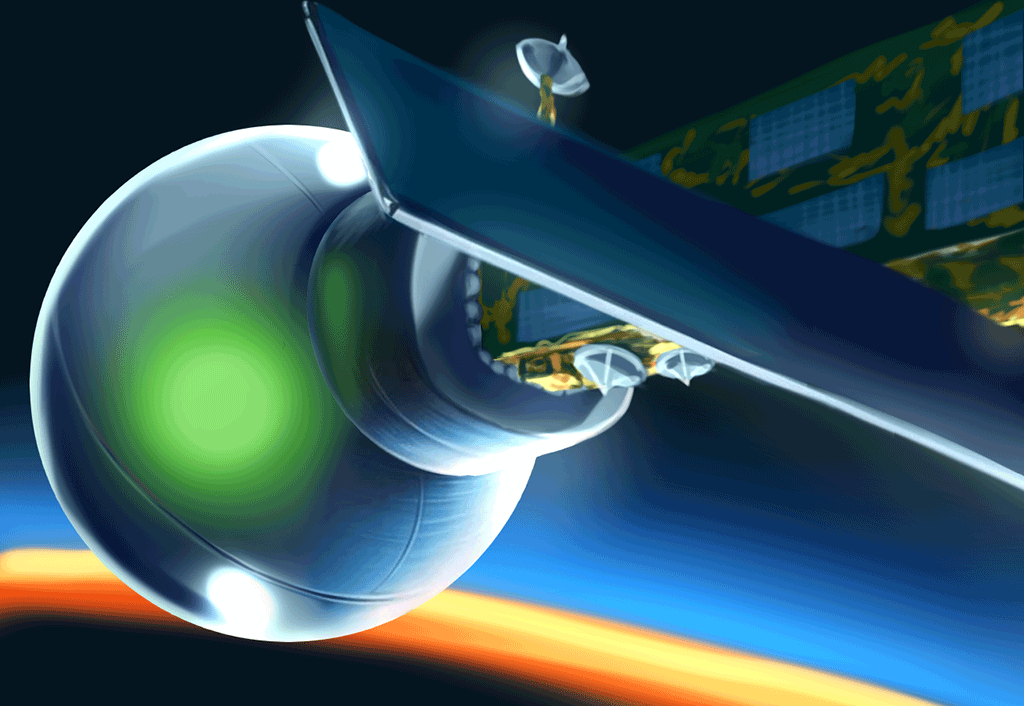
The concept gained support from the LinkedIn space community — and also attracted the attention of Mr. Christophe BONNAL, Chairman of the IAA Space Debris Committee and a leading expert on reentry safety.
Reentry Safety Requirements
Mr. Bonnal pointed out that while our DAD concept is technically feasible, it does not comply with the NASA / ESA / JAXA / ISO standards for reentry safety when applied to an object of Envisat’s mass. He also generously provided references to international Reentry Safety Requirements, which we studied in depth.
Here is key points derived from ESA and NASA reentry guidelines:
- Reentering objects must not pose risk to human life, cause environmental contamination, or damage infrastructure.
- Surviving fragments with kinetic energy >15 J are considered hazardous
- Toxic and radioactive materials must not reach Earth, or must be neutralized upon impact
- The total acceptable risk of human casualty is limited to 1 in 10,000 (10⁻⁴)
- Any satellite with mass greater than 500 kg requires controlled reentry unless designed to fully demise
In Envisat’s case, with an original mass of over 8 tons and an estimated 1,600–3,200 kg of debris likely to survive reentry, an uncontrolled descent would exceed the allowable risk by an order of magnitude.
Therefore, a drag-only solution like DAD would not be sufficient on its own. For real-world use, DAD would have to be paired with a controlled deorbit capability (e.g., a propulsion stage or deorbit tug) to comply with international safety requirements.
So, following stated terms of simulation (realistic solutions within constraints of existing technologies and rules) we decided to improve DAD design following Reentry Safety Requirements.
Solution
To improve realism, our final DAD design included a passive emergency trajectory control: a nichrome wire loop that can remotely detach the balloon in final orbits, reducing drag and shifting reentry to a safer zone like the South Pacific Ocean Uninhabited Area (SPOUA). It’s not a substitute for full control, but adds safety in a simple, low-mass way.
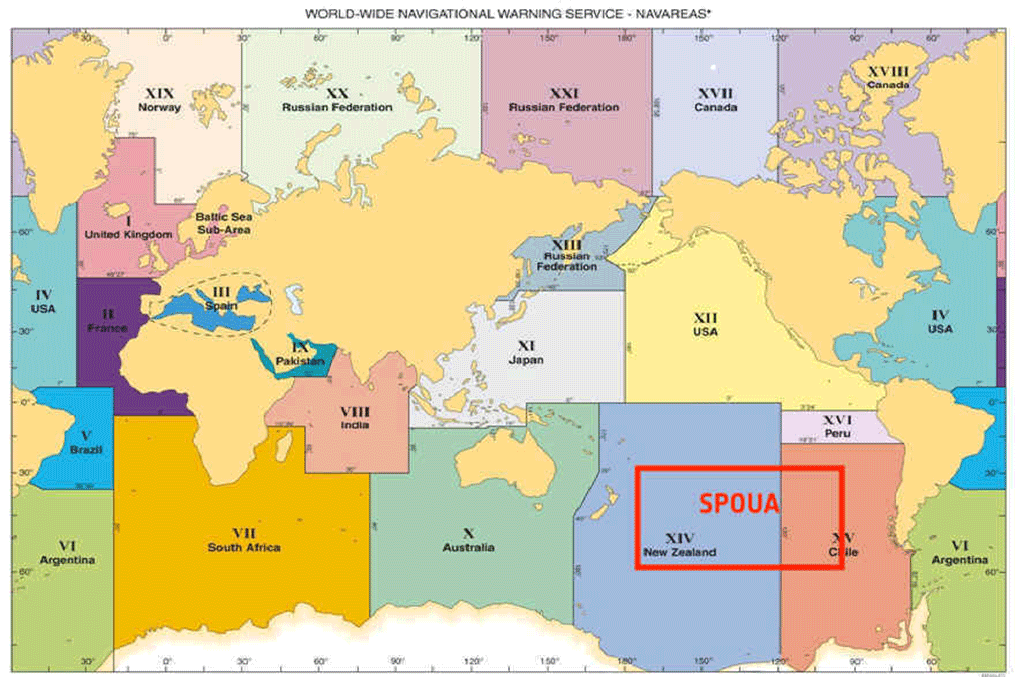
We sincerely thank Mr. Bonnal for his input. His contribution helped align our educational mission with real-world aerospace practice — the kind of feedback that transforms a simulation into something truly valuable.